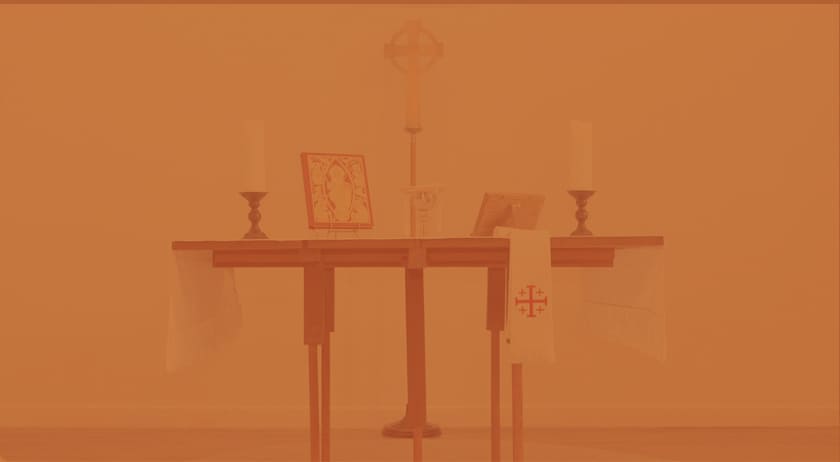
St. Thomas Church in Brownsburg-Chatham, Quebec
Brownsburg-Chatham | Christian Demographics
Brownsburg-Chatham has a predominantly Christian population, with a significant majority identifying as Roman Catholic, reflecting the historical influence of Catholicism in Quebec. According to recent census data, approximately 70% of the population adheres to the Catholic faith, while other Christian denominations, including Protestant groups such as Anglicans and Evangelicals, make up a smaller percentage. The community is characterized by its strong ties to religious traditions, with many residents participating in local church activities and events, which play a vital role in community life.
Brownsburg-Chatham | City History
Brownsburg-Chatham, located in the Laurentians region of Quebec, was established in the early 19th century, with its roots tracing back to the settlement of the area in the 1830s. The town was named after the Browns family, who were among the first settlers. The area developed primarily as an agricultural community, benefiting from its proximity to the Ottawa River. Over the years, Brownsburg-Chatham grew as a center for timber and agriculture, and it became officially incorporated in 1994 when the two municipalities of Brownsburg and Chatham merged. The town has maintained its small-town charm while evolving to meet the needs of its residents.
Brownsburg-Chatham | Christian History
The Christian history of Brownsburg-Chatham is closely tied to the broader religious landscape of Quebec. The establishment of the first Catholic church in the area in the mid-19th century marked a significant moment in the community’s development. The church served not only as a place of worship but also as a social hub for the residents. Over the years, various Protestant denominations have also established congregations, contributing to the religious diversity of the town. The influence of Christianity is evident in local traditions, festivals, and community events, which often have religious significance, reflecting the enduring legacy of faith in the lives of the residents.